
LPG might look like a solution to rising fuel prices. Here’s why it isn’t.
A closer look shows a fuel system in decline, just as Australia’s transport future is moving in a different direction.

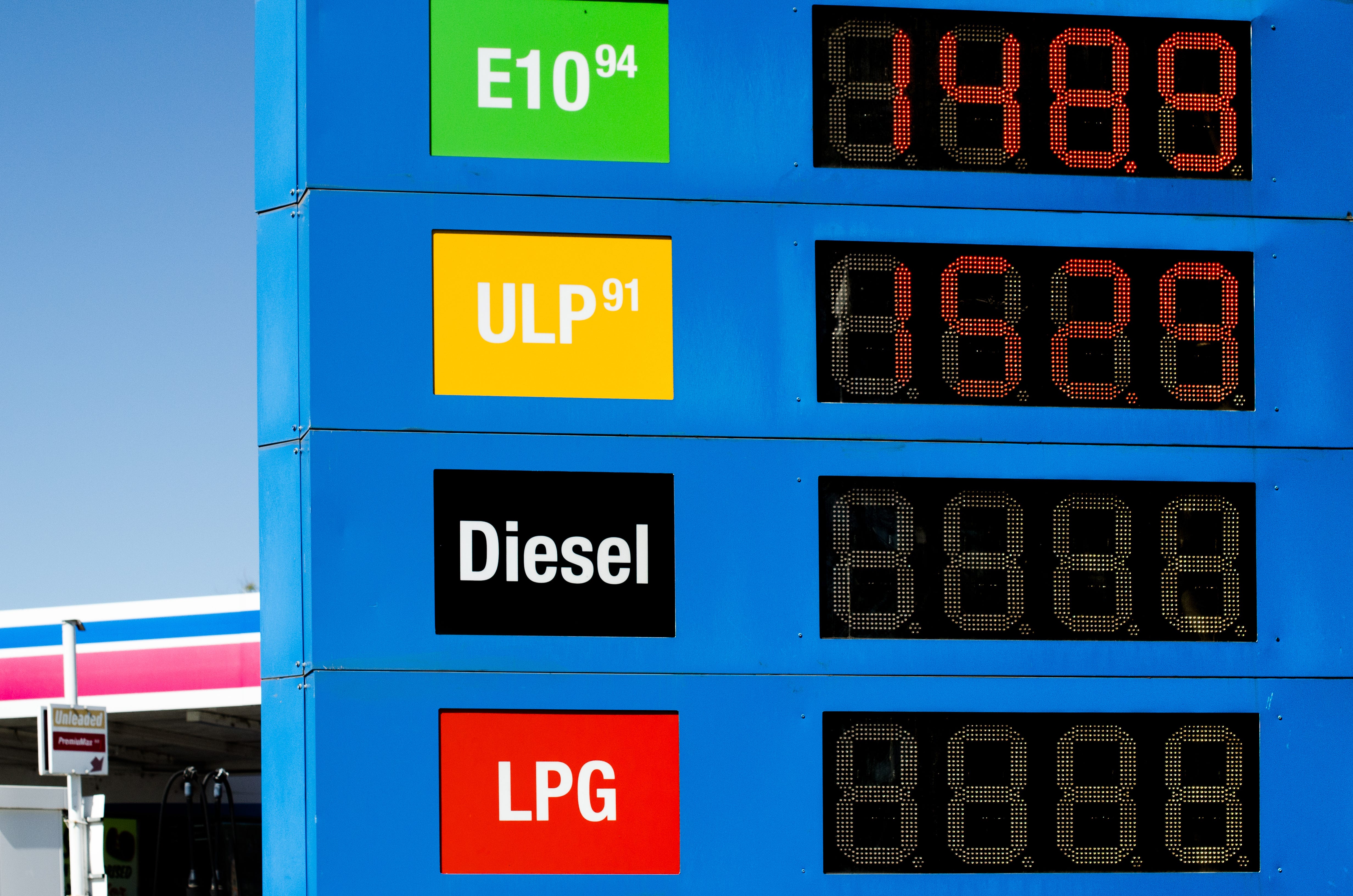
With petrol prices rising again amid global uncertainty, it’s not surprising that Australians are looking for alternatives.
One fuel that keeps resurfacing in these moments is LPG, or liquefied petroleum gas. For many, it brings back memories of cheaper fuel, taxi fleets running on gas, and government rebates that made conversions attractive.
At first glance, LPG might seem like a practical solution. It is often cheaper per litre than petrol, and Australia produces a significant amount of it domestically. In a time of concern about fuel imports and energy security, that can sound appealing.
But looking more closely, LPG is not the solution it might appear to be.
A fuel from a different era
LPG had its moment in Australia, particularly in the late 1990s and early 2000s. It gained popularity because it was cheaper than petrol and supported by government incentives. At its peak around 2013, there were roughly half a million LPG vehicles on Australian roads.
But over the past decade, that number has declined sharply.
There are several reasons for that decline. Government incentives were phased out and newer technologies, including more efficient petrol engines, hybrids, and electric vehicles, began to dominate the market. This was not a temporary dip, but a structural shift.
The system has already moved on
The most important issue is not just the number of vehicles, but the system that supports them.
As LPG vehicles have declined, so too has the refuelling infrastructure. Service stations across the country have removed LPG pumps due to falling demand. In some regions, drivers now struggle to find fuel at all.
This creates a self-reinforcing cycle. Fewer vehicles lead to fewer refuelling options. That makes LPG less practical, which further reduces demand.
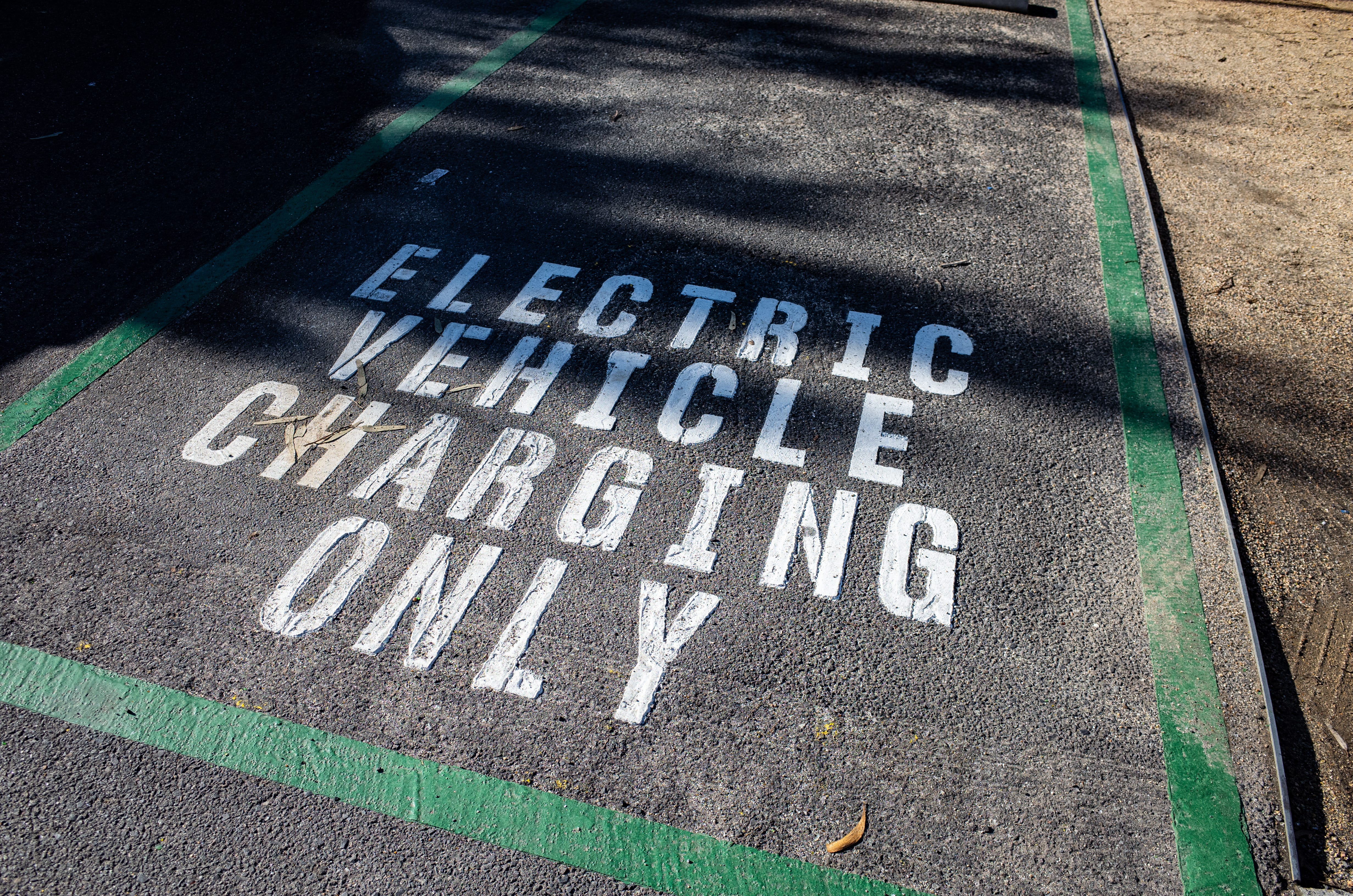
In contrast, electric vehicle charging infrastructure is expanding rapidly. Governments and private companies are investing heavily in charging networks across cities, highways and regional areas.
Put simply, one system is shrinking, while the other is growing.
Cheaper per litre doesn’t mean cheaper to run
Another common misunderstanding is around cost.
LPG is often cheaper than petrol on a per-litre basis. But it contains less energy per litre, meaning vehicles typically need more LPG to travel the same distance.
So while drivers may still save money in some cases, the difference is not as large as the price at the pump might suggest.
This is an important distinction, particularly in public debates where fuel prices are compared directly without considering efficiency.
Can LPG help in the current energy crisis?
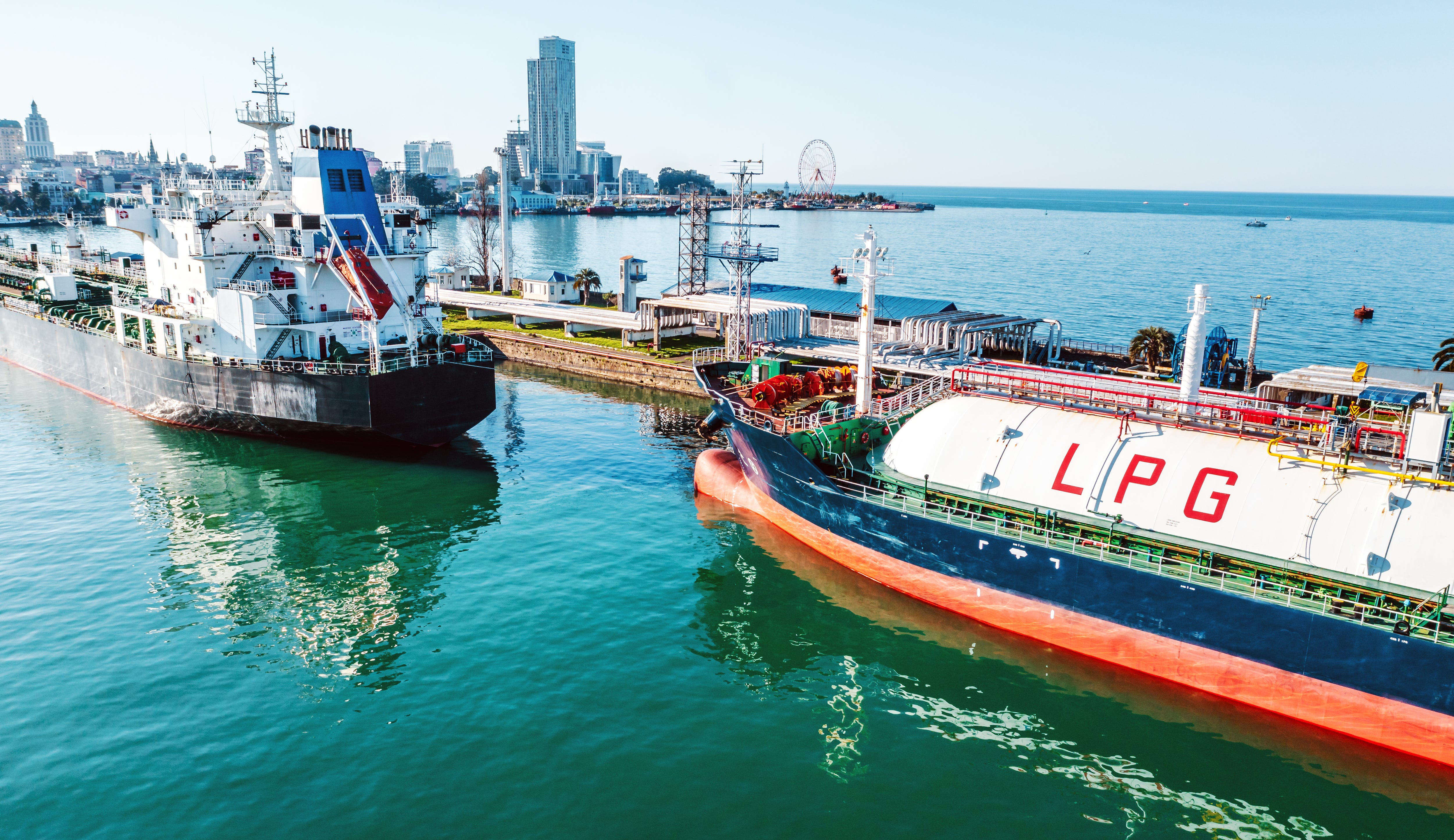
In the short term, LPG may only play a role for those who already have compatible vehicles. It can offer some cost advantages and, in some cases, relies on domestic supply.
But scaling it up again would be difficult.
There are very few new LPG vehicles being sold. The conversion industry has largely declined. And the refuelling network is contracting, not expanding.
Rebuilding that system would require significant investment across vehicles, infrastructure and supply chains, all for a technology that is already being overtaken.
The policy question: where should we invest?
This is where the discussion becomes more important.
Some have suggested that governments should reintroduce incentives for LPG to help reduce fuel costs and improve energy security. But this raises a fundamental question about direction.
Should we invest in rebuilding a system that is already declining, or accelerate the transition to one that is expanding?
Electric vehicles, combined with Australia’s growing supply of renewable electricity, offer a very different pathway. They reduce reliance on imported fuels, lower operating costs over time, and align with broader emissions and energy security goals.
Good policy supports where the system is going, not where it has been.
Looking forward, not backward
LPG was a useful transitional fuel in Australia. It helped reduce costs for many drivers and played a role in improving emissions compared to older petrol vehicles.
But the conditions that supported its growth no longer exist.
Today, the transport system is undergoing a different transition, one centred on electrification, efficiency, and integration with renewable energy.
In that context, LPG is not a forward-looking solution. It is a reminder of how quickly energy systems can evolve, and why it matters to invest in the direction of travel, not against it.